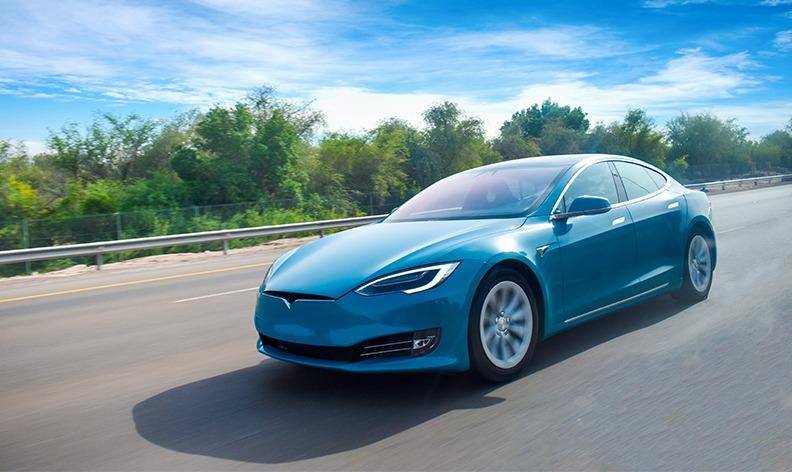
Australia's electric vehicle revolution accelerated dramatically in 2024, with over $6.17 billion in financing supporting the purchase of 104,835 electric and hybrid vehicles, a 50% year-on-year increase. For businesses considering fleet electrification, the financial landscape has transformed, making EVs not just environmentally responsible but increasingly economically compelling.
The Numbers Tell the Story
The scale of change is remarkable. Just two years ago, EV finance totaled $250 million in early 2023. By the end of 2023, this had grown to $2.5 billion. The 2024 figure of $6.17 billion represents exponential growth driven by commercial fleet adoption. Commercial finance accounted for the majority of growth, with members financing 82,617 commercial vehicles, up 62% from 51,560 in 2023.
Hybrid vehicles currently lead adoption with 60,083 financed in 2024, compared to 44,752 fully electric vehicles. This reflects practical realities: many Australian businesses still lack access to comprehensive charging infrastructure or frequently travel longer distances where range considerations persist. However, fully electric vehicles demonstrate steady and growing confidence, particularly in urban fleet operations.
The Financial Case for Fleet Electrification
The economics of EV ownership have improved substantially. The average financed cost of low-emission vehicles fell 7.4% to $58,892 in 2024, attributed to greater market competition and arrival of more affordable models. Operating costs provide significant savings: EVs are dramatically cheaper to run, with electricity costs substantially lower than petrol or diesel. Service and maintenance requirements are reduced, with fewer moving parts and no oil changes.
Government incentives further improve returns. The FBT exemption for battery EVs purchased through novated leases eliminates Fringe Benefits Tax for vehicles costing less than the Luxury Car Tax threshold ($89,332 for fuel-efficient vehicles in 2024-25). State government rebates provide additional support, with programs varying by jurisdiction. Green finance programs from major lenders offer preferential rates for environmental assets.
Financing Structures
Multiple financing approaches support fleet electrification. Novated leasing represents nearly 70% of all EV transactions, providing tax-effective employee vehicle access. This structure bundles vehicle finance, insurance, maintenance, and running costs into pre-tax salary deductions, creating significant savings for employees and manageable fleet solutions for employers.
Operating leases allow businesses to use vehicles without ownership obligations. This preserves balance sheet capacity, with lease payments treated as operating expenses. It provides flexibility to upgrade vehicles as technology evolves and shifts residual value risk to lessors.
Chattel mortgages finance vehicle purchases with ownership from day one. Businesses can claim GST credits on purchases and interest deductions on finance costs. Asset write-offs under instant asset write-off provisions can apply where eligible. This works well for businesses wanting long-term vehicle ownership.
Commercial hire purchase provides another ownership pathway, particularly suitable for businesses with strong cash flows wanting to own vehicles outright. Green loans from CEFC-backed lenders offer preferential rates specifically for electric vehicles and charging infrastructure.
Government Support Programs
Federal and state governments have committed substantial funding to accelerate EV adoption. The Clean Energy Finance Corporation allocated $50 million through Metro Finance and other lenders for small business EV purchases, solar, batteries, and energy-efficient equipment. This program aims to ease cost-of-living pressures while supporting decarbonization.
NSW's EV fleets incentive has allocated $46 million supporting rollout of more than 5,300 battery electric vehicles and 2,400 chargers, representing about 5.2% of all EV registrations in NSW. The program recently expanded to include heavy vehicles up to 23 tonnes gross vehicle mass, with incentives ranging from $5,000 for passenger vehicles to $50,000 for heavy commercial vehicles.
Queensland offers rebates up to $6,000 for EVs costing less than $68,000, with businesses able to apply for up to five rebates per financial year. Victoria, South Australia, and Western Australia all maintain various rebate and incentive programs supporting business fleet transitions.
Charging Infrastructure Considerations
Successful fleet electrification requires addressing charging infrastructure. Workplace charging provides controlled environment for overnight or day-time vehicle charging, with several government programs providing grants for installation. NSW's EV Charging for Business Fleets program provides $1.5 million in grant funding for businesses to install charging stations.
Public charging networks have expanded significantly, though coverage varies by region. Smart charging systems can optimize electricity usage and costs, scheduling charging during off-peak periods. For businesses with solar installations, daytime charging can utilize self-generated renewable energy.
Infrastructure financing can often be bundled with vehicle finance, creating comprehensive electrification packages. Some programs, like Origin's Accelerate EV Fleet Program, specifically examine financial implications of EV uptake alongside smart charging system value.
Fleet Transition Strategies
Most businesses don't transition entire fleets overnight but implement phased approaches. Assess current fleet composition, including age profiles, utilization patterns, and typical routes. Replace highest -usage vehicles first to maximize savings, such as vehicles traveling shorter predictable routes for initial conversions. Pilot programs with small EV cohorts allow testing operational considerations before full commitment.
Natural replacement cycles provide logical transition points, with vehicles scheduled for replacement being evaluated for EV alternatives. For businesses with mixed requirements, maintaining hybrid fleets might be optimal, using EVs for urban operations and conventional vehicles for long-distance or heavy-duty applications where EV options remain limited.
Industry-Specific Applications
Different industries face unique considerations. Light commercial fleets for trades, couriers, and service businesses have excellent EV options available, with models like Ford E-Transit and LDV vans offering practical alternatives. Daily travel patterns typically suit EV ranges. Vehicle and equipment storage allows controlled charging environments.
Corporate passenger fleets benefit from strong sedan and SUV options. Tesla Model 3 and Y dominate corporate adoption. BYD, MG, and other manufacturers provide competitive alternatives. Novated lease structures create tax-effective employee vehicle programs.
Heavy commercial vehicles are seeing expanding options, though adoption lags light commercial. The recent NSW expansion to include vehicles up to 23 tonnes demonstrates growing government support. Early adopters in urban delivery are demonstrating viability. Technology continues evolving rapidly in this segment.
Environmental and Brand Considerations
Beyond financial returns, fleet electrification supports broader business objectives. Major corporate clients increasingly require suppliers to demonstrate sustainability commitments. Government tenders often include environmental criteria. Consumer preferences favor businesses demonstrating environmental responsibility.
Electric fleets communicate clear environmental commitment, provide measurable carbon reduction achievements, strengthen corporate social responsibility positions, and potentially attract employees valuing sustainability. For businesses pursuing net-zero commitments, fleet electrification represents one of the most significant emission reduction opportunities.
Risks and Considerations
Despite strong advantages, businesses should carefully evaluate certain risks. Residual value uncertainty exists as EV market rapidly evolves. Technology improvements might accelerate depreciation. Battery degradation affects long-term vehicle value. However, leasing structures transfer these risks to lessors.
Range anxiety persists, particularly for regional operations. Careful route analysis is essential before committing. Charging infrastructure gaps in regional areas create constraints. Weather conditions can impact range, particularly extreme heat or cold.
Policy changes represent another consideration, with future governments potentially modifying incentives, though political consensus on EV transition appears strong across parties. Businesses should structure decisions based on fundamental economics rather than relying solely on incentives.
The 2025 Outlook
Industry forecasts point to continued strong growth through 2025. More affordable models are entering the market, with Chinese manufacturers bringing competitively priced options. Charging infrastructure continues expanding, particularly in metropolitan areas. Battery technology improvements are extending ranges and reducing costs. Government incentives remain substantial across federal and state levels.
Commonwealth Bank predicts continued strong double-digit growth in EV financing, driven by improving economics and expanding model availability. For businesses evaluating fleet electrification, current conditions represent a favorable entry point with multiple tailwinds supporting the transition.
Expert Insight
"The EV revolution for business fleets has reached an inflection point. The combination of improving economics, substantial government support, and expanding model availability means the question is no longer 'if' but 'when and how' businesses transition. Those who develop clear electrification strategies now, supported by appropriate financing structures, will gain competitive advantages while contributing to Australia's decarbonization objectives. The key is matching the right financing approach to your specific fleet requirements and business objectives."
— Darren Barbary, Capital Resources Securities
Capital Resources Securities provides specialized green financing solutions for business fleet electrification. We understand the unique considerations of EV finance, from navigating government incentive programs to structuring packages that include charging infrastructure. Our relationships with CEFC-backed lenders and traditional financiers ensure access to competitive green finance options. Whether you're considering a single vehicle or complete fleet transition, we can structure financing that aligns with your operational needs and financial objectives.